

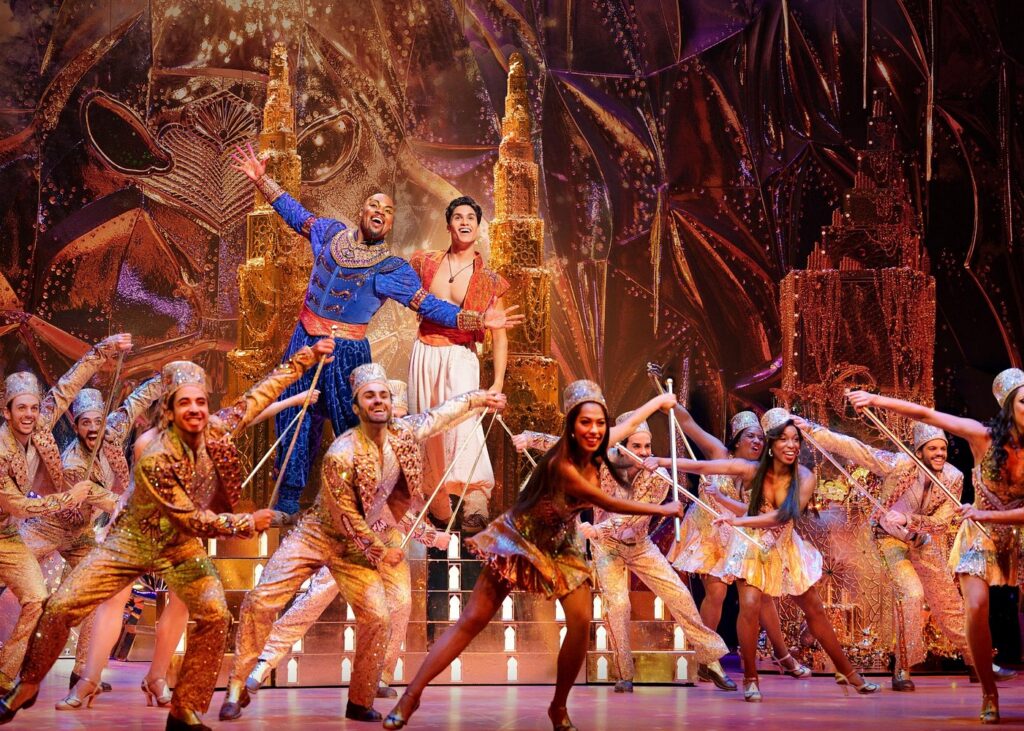
Each year, Broadway draws more than 14 million attendees and generates over $1.8 billion in ticket revenue, making it one of the most concentrated live entertainment markets in the world. With over 40 theaters operating in the Theater District and performances running nearly year-round, Broadway remains a central pillar of New York City’s cultural economy.
Corporate teams, school delegations, church fellowships, nonprofit organizations, and senior communities regularly choose Broadway as a shared cultural experience. The shows are structured. The timing is predictable. The venues are centralized.
On the surface, it appears straightforward, but the real challenge is coordinating how 15, 30, or 50 people move into and out of one of the busiest districts in the country without fragmenting the experience.
When transportation is improvised, small disruptions compound. When it is structured, the Broadway outing feels cohesive from departure to return. The sections below outline how large groups can plan a Broadway trip that works, not just on stage, but logistically.
Table of Contents
Why Broadway Works for Large Groups
Broadway is one of the few New York experiences that naturally scales for 20, 40, or even 60 people without losing its impact. The combination of cultural depth, structured timing, and geographic concentration makes it one of the most efficient shared experiences in New York City.
Unlike restaurants, museums, or walking tours that fragment large groups into smaller clusters, a Broadway performance places everyone in the same room, at the same time, focused on the same story.
The format works across group types: corporate teams, student delegations, non-profits, church fellowships, and senior communities, creating a shared environment where the experience unfolds collectively. A defined curtain time and final bow bring structure, while shared reactions create connection, something few other New York City outings can deliver at this scale.
Broadway also offers a range of productions that align with different group profiles:
- Long-running classics like The Lion King or Wicked appeal to multi-generational audiences.
- Historically or culturally rich productions like Hamilton create natural discussion points for academic and corporate groups.
- Literary adaptations such as The Great Gatsby resonate with student groups and book-focused organizations.
- Contemporary or pop-driven shows attract younger audiences, creative teams, and incentive-based corporate outings.
- Comedic or high-energy productions provide lighter entertainment options for community groups and celebratory events.
This range allows organizers to align the show selection with the group’s purpose, whether that is team building, education, community bonding, or simply a well-structured day in New York.
There is also a practical advantage: Broadway is centralized. Most theaters are concentrated within the Theater District near Times Square. Once the group arrives, restaurants, hotels, and attractions are within walking distance. The experience becomes geographically compact even if New York City itself is not.
The Challenge of Moving Large Groups in NYC Theater District
Planning a large group trip to Broadway looks simple on paper. Choose a show. Buy tickets. Arrive before curtain. In practice, the complexity lies in moving 25, 40, or 50+ people into and out of the Theater District.
The Private Car Problem
For groups traveling from nearby states such as New Jersey, Connecticut, Pennsylvania, or from suburbs like Westchester or Long Island, driving into Manhattan may seem convenient.
For a small group, it can be. However, for 30 people, it quickly becomes fragmented.
- Parking near Times Square is limited and expensive.
- Coordinating multiple vehicles means staggered arrival times.
- Traffic congestion can delay some attendees while others arrive early.
- Post-show departures become chaotic, especially between 10:00 and 11:00 PM when crowds flood the streets.
Staggered arrivals undermine the shared experience for groups. Instead of entering together, the group trickles in. For senior groups, navigating garages, elevators, and long walks from parking facilities adds fatigue before the show even begins.
The Public Transit Constraint
For local NYC dwellers, public transportation may appear to be the obvious choice, and it works well for small gatherings. For large groups, however, it introduces new complications:
- Coordinating entry through crowded subway stations
- Keeping 40 students or multi-generational members together
- Managing transfers during rush hour
- Handling accessibility needs for elderly or disabled participants
- Exposure to weather while waiting outdoors
For school groups, public transit requires tight supervision. For church or community groups, it can split members across separate train cars. For visitors unfamiliar with the system, it adds stress to what is meant to be a cultural outing.
The Airport-to-Theater Scenario
Some groups are not local at all. For corporate incentive teams flying into JFK or LaGuardia or student tours arriving by plane, transportation begins at the airport. Coordinating rideshares for dozens of people at baggage claim introduces cost variability and timing uncertainty. Surge pricing and traffic delays compound the issue.
A Charter Bus Transportation Changes the Dynamic
Hiring a charter bus centralizes the experience and brings structure.
- The group arrives together.
- Drop-off occurs within a planned window.
- Post-show pickup is predetermined.
- Cost per person becomes predictable.
- The experience begins the moment the group boards.
For corporate teams, this means controlled timing around dinners and post-show discussions. For academic groups, it means supervision and safety. For church and community groups, it preserves unity from departure to return. For senior groups, it reduces physical strain.
Broadway may last two to three hours. But for large groups, the transportation window before and after the show determines whether the experience feels coordinated or chaotic.
NYC Broadway Transportation by Group Type
Not all Broadway group trips are organized for the same reason. A corporate incentive outing has different priorities than a senior community trip. A school theater class operates differently than a church fellowship traveling together for the first time.
Hence, broadway transportation planning is not a one-size-fits-all. The way a group moves into and out of the Theater District should reflect its purpose, structure, and risk tolerance.
Below is a practical framework that shows how group transportation should adapt based on who you are organizing for:
| Group Type | Transportation Priority | Recommended Strategy | Why It Matters |
| Corporate Teams | Timing precision, image | Dedicated pickup windows, built-in traffic buffer, coordinated arrival with dinner or hotel schedule | Protects tight itineraries and preserves team cohesion |
| Academic & Student Groups | Supervision and consolidation | Single-vehicle transport, controlled loading/unloading zones, and headcount verification before departure | Reduces fragmentation and lowers chaperone stress |
| Church & Fellowship Groups | Multi-generational comfort | Door-to-door routing, accessibility considerations, simplified boarding | Keeps the entire group together and reduces fatigue |
| Non-Profit & Community Organizations | Budget predictability | Per-person cost planning with centralized transport rather than multiple rideshares | Avoids price volatility and supports higher participation rates |
| Senior & Community Groups | Mobility, pacing, and comfort | Minimal walking drop-off points, predictable post-show pickup timing, and onboard restrooms for longer travel distances | Reduces physical strain and makes evening departures easier |
When movement is structured around the group’s specific needs, the Broadway experience feels intentional. When it is improvised, small logistical issues compound — late arrivals, missed connections, scattered departures, and unnecessary stress.
Understanding how your group functions is the first step. Planning transportation around that is what turns a Broadway show into a smooth, shared event.
Discovering NYC Broadway Shows and Ticket Options
Once you understand your group’s priorities, the next step is selecting the right production. That decision affects timing, budgeting, accessibility, and overall itinerary structure.
Viator simplifies this stage for organizers by consolidating Broadway shows into a single searchable interface. When browsing Broadway listings on Viator, you can:
- Compare current productions in one place
- View seating tiers based on budget
- Choose between matinee and evening performances
- See exact theater locations in the Theater District
- Review age recommendations and entry policies
- Check accessibility information
- Understand ticket delivery timelines
- Read verified traveler reviews from both Viator and TripAdvisor
For example, a show like The Great Gatsby includes detailed performance information, cast highlights, seating options, accessibility notes, cancellation terms, and hundreds of reviews rating the overall experience.

NYC Broadway shows listed on Viator
This level of clarity helps organizers anticipate questions before group members ask them. Age restrictions may influence student trips. Accessibility policies matter for senior groups. Non-refundable terms can affect nonprofit budgeting decisions.
Rather than navigating multiple individual theater websites, a consolidated view allows planners to evaluate shows side-by-side and make informed decisions based on their group’s size, schedule, and comfort requirements.
How to Plan a Broadway Trip for 15+ People
Once your show and curtain time are confirmed, planning is a sequencing exercise. For groups of 15 or more, clarity around timing, vehicle type, and routing determines whether the experience feels organized or improvised.
Below is a practical framework to guide execution.
1. Confirm the Show, Date, and Curtain Time
Everything flows from this decision.
- Evening performances typically run from 7:00–8:00 PM start times
- Matinees usually begin between 1:00 and 3:00 PM
- Most Broadway shows run 2–3 hours
Lock in seating sections early, especially for larger groups that need contiguous seats.
2. Determine Headcount
Your group transportation depends heavily on group size. Typical vehicle ranges include:
- Sprinter Vans (10–14 passengers)
Ideal for executive teams, small corporate groups, or tight-knit community outings.
Offers flexibility for airport transfers and hotel pickups.
- Minibuses (18–35 passengers)
Well-suited for student groups, church fellowships, and mid-sized nonprofit organizations.
Easier to maneuver in city traffic while keeping the group consolidated.
- Motorcoaches (40–56 passengers)
Designed for larger academic delegations or community groups traveling together from suburbs or neighboring states. Include onboard restrooms, overhead storage, and extended comfort for longer travel.
Choosing the right vehicle reduces cost per person while ensuring comfort and logistical simplicity.
3. Build a Traffic Buffer Around Manhattan Arrival
The Theater District is one of the most congested areas in the country, particularly:
- Weekday evenings
- Weekend matinees
- Post-show windows between 10:00–11:00 PM
Plan to arrive 30–45 minutes before curtain. This allows time for:
- Coordinated drop-off
- Restroom stops
- Ticket distribution
- Group gathering photos
Buffer time protects the experience.
4. Coordinate Drop-Off and Pickup Strategy
Broadway theaters have limited curb space. Planning pickup is as important as planning arrival.
Confirm designated drop-off zones and pre-communicate pickup location to group members. Schedule post-show pickup 15–20 minutes after the curtain. For senior or multi-generational groups, minimizing walking distance after the show is critical, especially during late evening departures.
5. Consider Airport or Multi-Stop Routing
If your group is flying into JFK, LaGuardia, or Newark, or combining the show with a pre-show dinner, a conference, or a hotel pickup, a consolidated transportation simplifies movement between stops and maintains group cohesion throughout the day.
6. Communicate the Plan Clearly to Participants
For larger groups, clarity prevents confusion.
Share departure time
- Confirm pickup location
- Provide the expected return window
- Assign group leaders or chaperones
The more predictable the movement, the more relaxed the group feels before the curtain.
Broadway may be the centerpiece, but transportation determines how smoothly the day unfolds. For groups of 15 or more, selecting the right vehicle and sequencing the itinerary around Manhattan traffic patterns transforms a theater visit into a coordinated group experience.
Making Broadway Work for Your Group
Broadway offers cultural depth, shared energy, and structured timing. When movement is coordinated around those elements, the result is a smoother, more cohesive group experience. The success of a large group outing depends on how well the moving parts are aligned, from choosing the right production and curtain time to coordinating arrival in one of the busiest districts in the country.